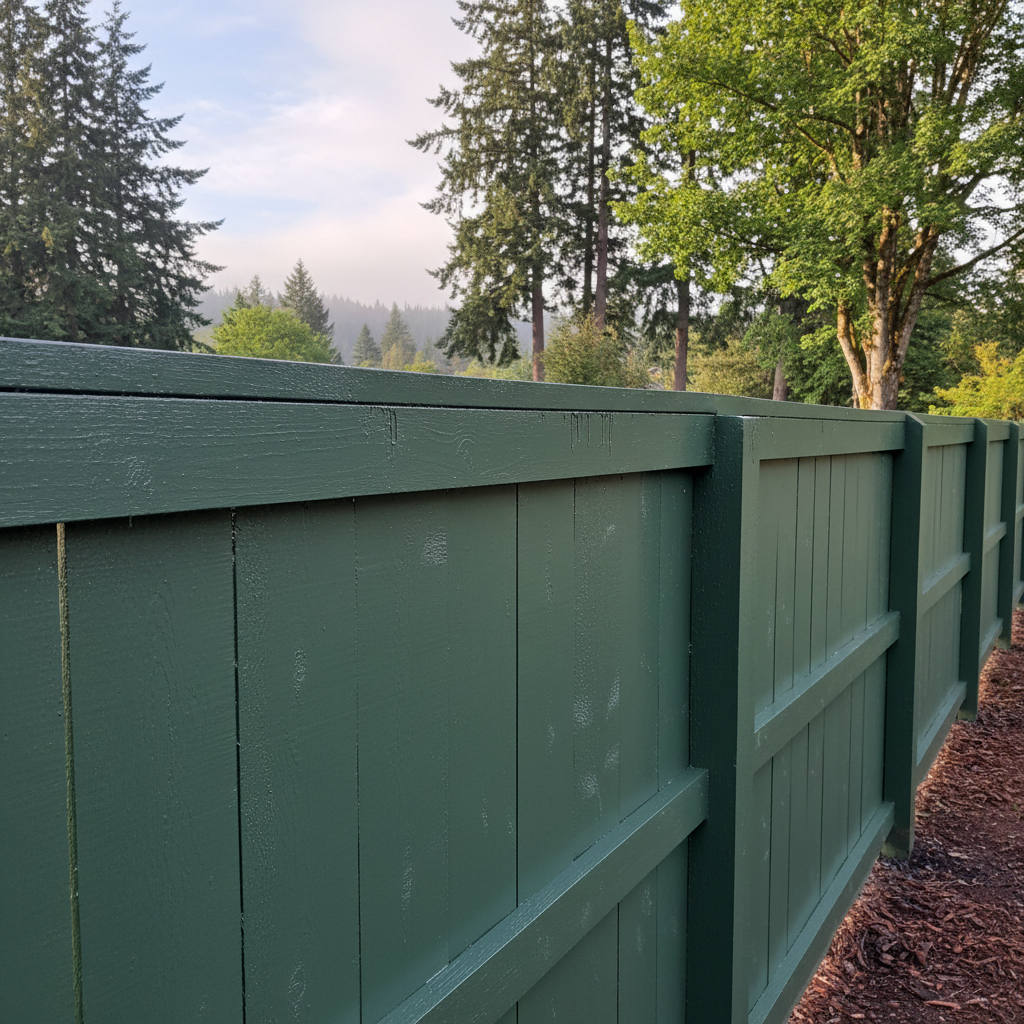
What's the best time of year to paint my fence in Tacoma?
Honestly, this is probably the most common question I get, and for good reason. Tacoma's weather can be a real wildcard. You want a stretch of dry weather, not just for the day you paint, but for a few days before and after. That means you're generally looking at late spring through early fall. Think May, June, July, August, and maybe early September. What you're trying to avoid is the constant drizzle we get, especially in the winter months. Paint needs to cure properly, and too much moisture in the air or on the wood will mess with adhesion and durability. I've seen folks try to rush it in October, and they end up with paint peeling by spring. It's just not worth the headache. Wait for that nice, consistent dry spell.
Do I really need to clean my fence before painting?
Absolutely, you do. And I can't stress this enough. Skipping the cleaning step is like building a house on a shaky foundation – it's going to fail. Over time, fences collect all sorts of grime: mildew, algae, dirt, spiderwebs, you name it. If you paint over that stuff, the paint won't stick to the wood; it'll stick to the dirt. Then, when the dirt eventually flakes off, your paint goes with it. A good power wash is usually the way to go, but you've got to be careful not to damage the wood, especially if it's older or softer. Sometimes a good scrub with a stiff brush and a cleaning solution (like a mix of bleach and water, or a dedicated deck cleaner) is all you need. Just make sure it's completely dry before you even think about opening a paint can. Give it at least 24-48 hours after washing, longer if it's been particularly damp.
What kind of paint should I use for my fence? Stain or solid paint?
This is a big one, and it really depends on what you're looking for. Most people are actually thinking about stains when they say 'fence paint.' Stains, especially semi-transparent or transparent ones, let the wood grain show through. They penetrate the wood, offering protection and color without forming a thick film on the surface. They tend to wear down over time, fading or thinning, rather than peeling. Solid stains, or opaque stains, are more like paint. They cover the wood grain completely, giving you a uniform color. They're more durable than transparent stains and offer better UV protection, but they can peel if not applied correctly or if the surface isn't prepped right. Actual exterior paints form a film on the surface. They offer the most color options and can be very durable, but they're also the most prone to peeling and chipping if the surface isn't perfect or if moisture gets trapped behind them. For most fences, especially those around older homes in places like the North End, I usually recommend a good quality solid or semi-solid stain. They offer a great balance of protection, appearance, and longevity.
How long will a painted fence last in our climate?
That's the million-dollar question, isn't it? The truth is, it varies a lot. A high-quality solid stain applied correctly on a well-prepped fence can easily last 3-5 years, sometimes even longer if it's not getting direct, harsh sun all day. Transparent stains might need reapplication every 1-3 years. Actual exterior paint, if it holds up, could go 5-7 years, but as I said, it's more prone to failure points. Our Pacific Northwest climate, with its cycles of wet and dry, sun and shade, is tough on exterior finishes. Mildew is a constant battle. The type of wood also plays a role – cedar tends to hold finishes better than some other woods. Regular maintenance, like cleaning off mildew, will also extend its life. Don't expect a 'set it and forget it' situation for a decade.
Can I paint a pressure-treated fence?
You can, but there's a catch. Pressure-treated lumber is treated with chemicals to resist rot and insects, and when it's new, it's often saturated with moisture. You absolutely cannot paint it right away. If you do, the paint won't adhere, and it'll peel off in no time. You need to let it 'weather' for a good few months, sometimes even up to a year, depending on the conditions. This allows the wood to dry out and the chemicals to leach out a bit. Once it's dry and weathered, treat it like any other fence: clean it thoroughly, let it dry, and then you can apply your stain or paint. Many folks opt for a stain on pressure-treated wood because it penetrates better and is more forgiving with any residual moisture or chemicals.
Is it better to DIY or hire a professional for fence painting?
Look, I'm a professional, so you might think I'm biased, but I'll give you the straight scoop. Painting a fence isn't rocket science, but it is a lot of work, and there are plenty of ways to mess it up if you don't know what you're doing. Prepping the fence correctly is half the battle, and it's physically demanding. Then there's choosing the right product, applying it evenly, and dealing with drips and overspray. If you've got a small, simple fence and you're handy and have the time, go for it. But if you've got a long fence, intricate lattice work, or if you just don't have the time or patience, hiring someone like Tacoma House Painters makes a lot of sense. We've got the right equipment, the experience to choose the best materials for your specific fence and climate, and we can get it done efficiently and correctly, saving you headaches and potentially costly re-dos down the line.
How much does fence painting usually cost in Tacoma?
This is another one where there's no single answer because every fence is different. The cost depends on several factors: the length and height of the fence, the type of wood, its current condition (does it need a lot of cleaning or repairs?), the type of product you choose (stain vs. paint, and the quality of that product), and whether you're doing one side or both. Generally, contractors will charge by the linear foot or square foot. You'll also pay for labor, materials, and prep work. A good contractor will give you a detailed quote after seeing the fence. Don't just go for the cheapest bid; make sure they're reputable, insured, and that their quote includes all the necessary prep work. Skipping prep is where corners get cut, and that's where you end up with a job that doesn't last.