Before You Pick a Single Swatch
Alright, let's talk about picking colors for your house. Everyone thinks they can do it, right? You grab a few paint chips, hold 'em up, and boom – done. But trust me, there's more to it than that if you want it to look good and not regret it a month later. Before you even think about what color goes where, you gotta do some homework.
First off, what's the vibe you're going for? Are you trying to make your craftsman in the Stadium District pop, or blend your rambler in Fircrest into the natural surroundings? Think about the existing elements that aren't changing: your roof color, brick or stone accents, even your landscaping. These things are fixed, and your paint colors need to play nice with them. You don't want a warm-toned brick clashing with a super cool gray you picked out of a magazine.
Also, consider your home's style. A Victorian can handle more intricate color schemes than, say, a mid-century modern. And don't forget the light. Our PNW light is different – often softer, sometimes grayer. That bright sunny yellow you saw in a magazine might look completely different on a cloudy Tacoma day. What looks good on a tiny swatch in a brightly lit store will look different on a whole wall in your living room, especially with our often-overcast skies.
You can definitely do this initial thinking yourself. Grab some photos of your house, inside and out. Look at homes you admire in your neighborhood. Start a Pinterest board. Get a feel for what you like and what works with your home's architecture and fixed elements.
During the Color Selection Process: DIY vs. Pro
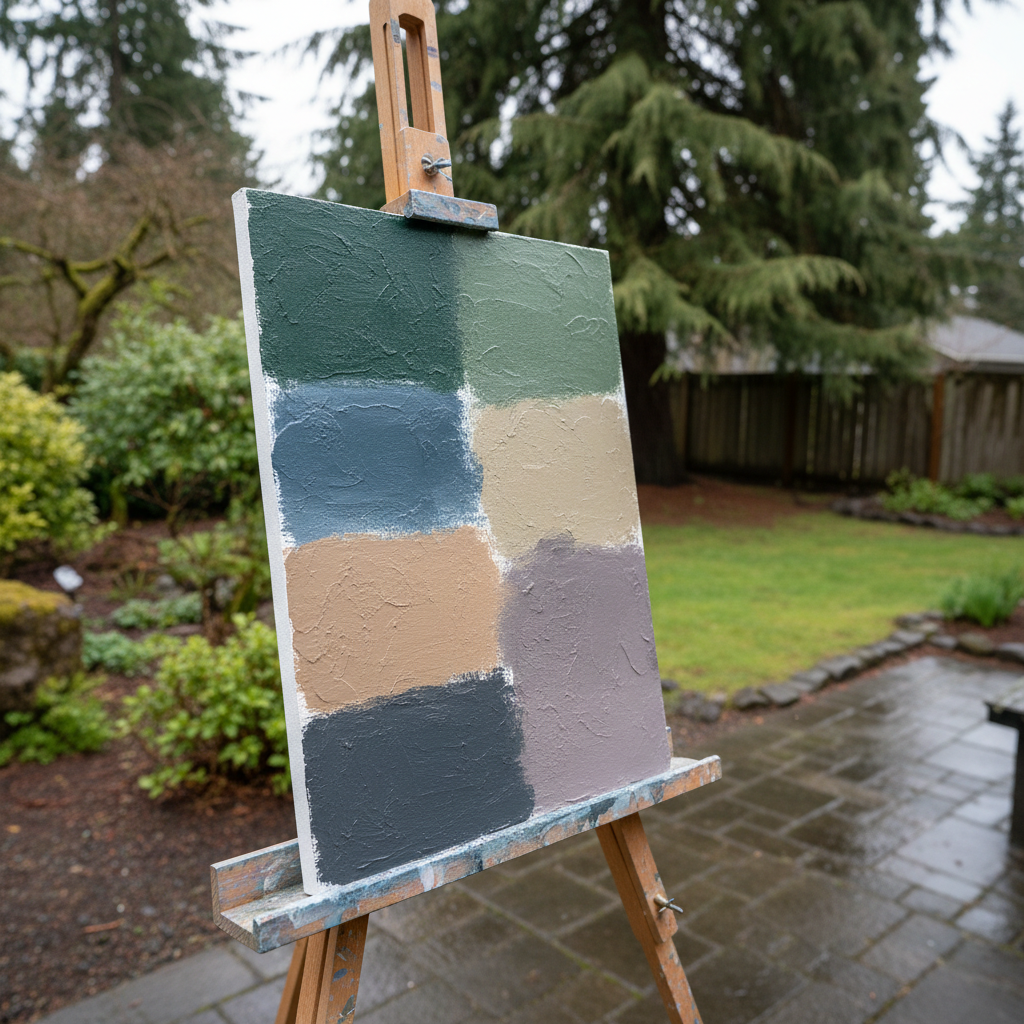
This is where things can get tricky. You've got your ideas, now how do you translate them into actual paint? For interior colors, you can absolutely grab a bunch of sample pots. Paint big swatches on different walls in a room. Watch how they change throughout the day with natural light and at night with your artificial lighting. Live with them for a few days. Don't just look at a small square; paint a good 2x2 foot section. Seriously, it makes a huge difference.
For exteriors, it's a bit harder to DIY sample pots effectively. You can get large color boards from paint stores or even order bigger peel-and-stick samples. Hold them up against your siding, next to your trim, near your roof. Step back across the street. See how they look from a distance. This is crucial because exterior colors often appear lighter and brighter once they're on the whole house.
Now, when do you call in a pro for color consultation? If you're staring at 50 shades of beige and they all look the same, or if you're trying to coordinate a complex scheme with multiple colors for trim, body, and accent, that's a good time. A professional color consultant – sometimes even a painting company like Tacoma House Painters offers this as part of their service – has an eye for how colors interact, how light affects them, and what works with different architectural styles. They've seen it all and can narrow down your options quickly, saving you a ton of headache and potential repaint costs. They can also help you understand undertones, which are the subtle hues that make a gray look blue or green, and can make or break your palette.
After You've Picked Your Colors
So you've made your choices, you're confident, and you're ready to paint. What's next? If you're doing the painting yourself, make sure you buy enough paint. Nothing worse than running out halfway through a wall and finding the next batch is slightly off. Keep your paint cans labeled with the room and color name, and save those leftover samples for touch-ups down the road. It's also smart to keep a small written record of the exact colors, brands, and finishes you used. You'll thank yourself five years from now when you need to touch up a scuff.
If you're hiring a painting crew, make sure they have the exact color codes and names. Double-check everything before they start. A good crew will confirm all the details with you anyway. Once the job's done, do a walk-through in good light. Check for even coverage, crisp lines, and no drips or missed spots. Don't be afraid to point out anything that doesn't look right. We want you to be happy with the final product, and it's always easier to fix things while the crew is still on site.
Remember, paint is a big investment, whether it's your time or your money. Taking the time to get the color right upfront will make your home look great for years. It's not just about slapping some color on the walls; it's about creating a space you love.